Rogue Blight Challenge Maps: How They Work vs Story Mode
Challenge Maps in Rogue Blight explained — how they drop as items, when to play or sell them, how they differ from Story Mode, and the leaderboard angle.
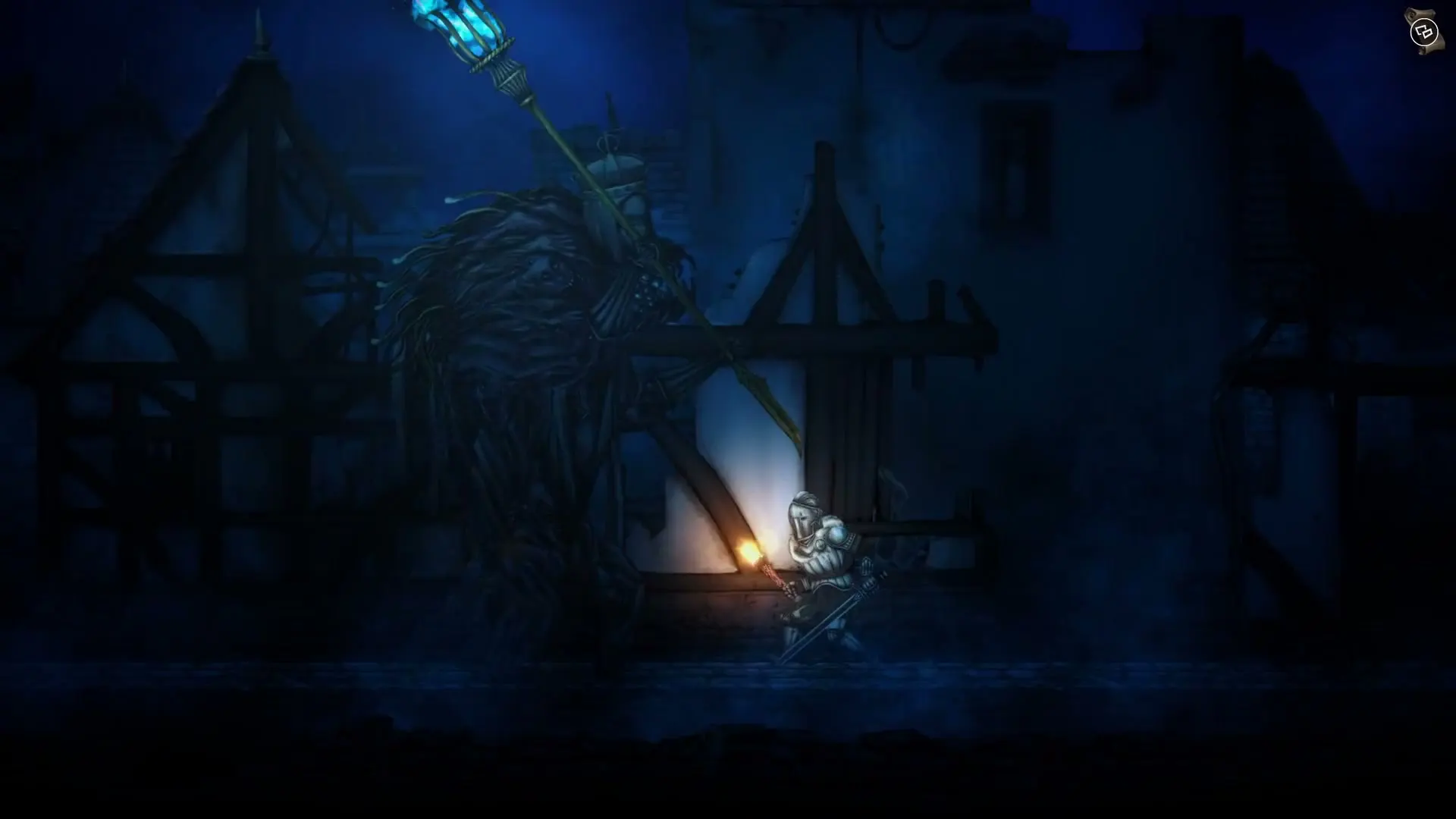
Story Mode is the campaign; Challenge Maps are everything else. They’re Rogue Blight’s score-attack and variety layer — and they work differently from most roguelikes’ endless modes, because you literally find them as items.
How you get challenge maps
The map maker NPC explains the whole system in his own dialogue, quoted by the player who reached him:
“I was ambushed… forcing me to flee and drop every challenge map I was carrying. Bring back any you find and you may attempt to challenge yourself — or sell it to me for a feast full of fungi. Just remember: challenge maps cannot be used at once. The paths never stop shifting.”
So:
- Challenge maps drop as items in runs — when one drops, it goes to your account inventory, not your run’s bag.
- You choose per map: play it or sell it. Selling converts the item into a large fungi payout (see Fungi).
- One at a time. The “cannot be used at once” line reads as: no stacking multiple challenge maps into a single run.
Challenge Maps vs Story Mode
| Story Mode | Challenge Maps | |
|---|---|---|
| Purpose | The intended progression: floors, boss ladder, difficulty unlocks | Variety runs, score chasing, farming specific layouts |
| Structure | Fixed boss spine (Gorilla → Wendigo → … → the throne) | Randomized layouts; “the paths never stop shifting” |
| Access | Always available | Requires a challenge map item |
| Rewards | Boss essence, trophies, difficulty unlocks | Runs’ standard loot plus fungi via sales; the leaderboard angle |
When to play vs when to sell
- Sell early. In your first hours, fungi → random blessings is stronger than any single challenge run. The map maker’s payout is the best fungi lump in the game.
- Play when you need variety or a test. Once your hub upgrades are rolling, challenge maps are where you test a new build against randomized pressure without burning a deep story attempt.
- Play for score once comfortable. If you’re chasing leaderboards, challenge maps on a high map difficulty are the competitive surface.
What changes inside a challenge run
Players report the same node language — battles, shops, bonfires, blacksmith, bosses — shuffled into different layouts and pacing, with the map’s shifting-paths flavor turned up. Practical differences worth planning around:
- No guaranteed boss spine — plan builds that don’t rely on seeing one specific boss.
- Pacing is yours — path choice matters more than in story maps’ funnel floors.
- Death still banks hub currency — a failed challenge run is still account progress.
Keep reading
- Rogue Blight Map Difficulty: The New Game Plus Ladder ExplainedHow Rogue Blight's map difficulty system works — the Wendigo unlock, expanded loot pools, Lady Blight's tier, enemy scaling, and when to climb to the next rung. Read guide
- Rogue Blight Fungi Guide: What Fungi Are For and How to Get ThemFungi in Rogue Blight explained — the mushroom currency's confirmed uses (blessings for 5, the Mimic Head's upkeep, selling challenge maps) and every farm source. Read guide
- Rogue Blight Map Nodes and Random Events: Every Node Type ExplainedThe eight map node types in Rogue Blight — Enemy, Unknown, Chest, Shop, Statue, Bonfire, Blacksmith, Boss — plus random events, steal chances and every NPC. Read guide
- Rogue Blight Beginner's Guide: Surviving Your First RunsEverything a new Rogue Blight player needs: how a run works, what death costs, which upgrades to buy first, and the mistakes that end most first runs. Read guide
- Rogue Blight Bosses: Every Boss Documented, Order and RewardsAll Rogue Blight bosses documented in the launch build — Gorilla, Wendigo, Lady Blight, the Jester, Three Shadows and the final mushroom sovereign — with rewards. Read guide